
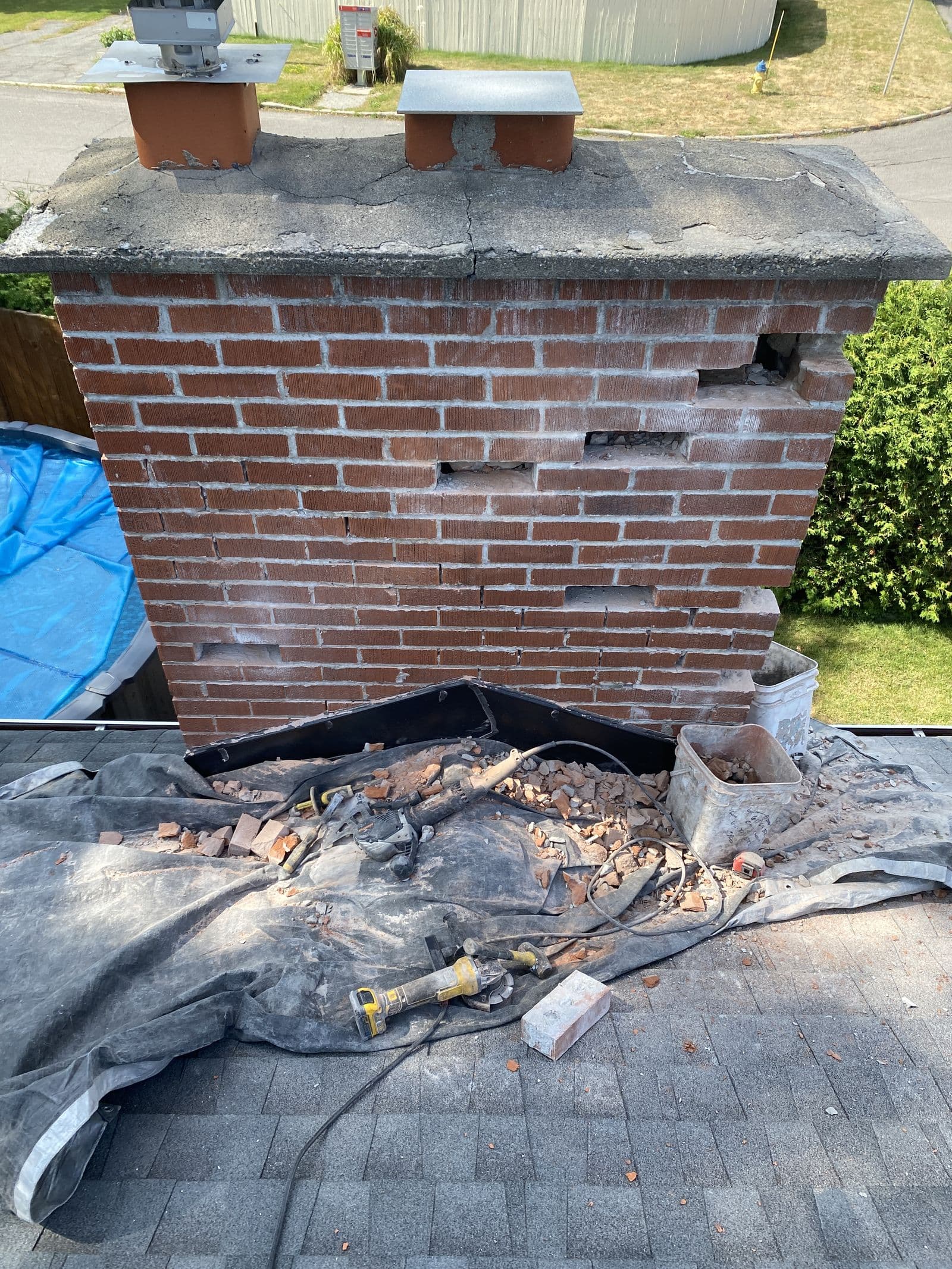
Just because winter is past doesn't mean it's a good time to forget about chimney maintenance. Throughout the year, in all types of weather, your chimney can be affected by various factors that result in damage. A chimney can operate for many decades with no major problems if inspected annually and cleaned regularly. It is not uncommon, however, for moisture problems to arise. There is no greater threat to a chimney's good condition and safe operation than the entrance of moisture. Evidence of moisture problems takes various forms but is also hard to spot, which is just one of many good reasons to schedule a yearly chimney inspection. Professional chimney technicians know where to look and what to look for. The sooner moisture problems are identified, the less expensive the needed repairs will likely be.
Freezing cycles followed by thawing cycles throughout the winter season can wreak havoc on your chimney. Be sure to schedule your annual chimney inspection during springtime because it may be possible to catch damage before needed repairs are extensive.
As regards harsh winters, the primary concern is that the freezing and thawing moisture has caused some type of damage. The following are the most common types of chimney damage caused by moisture, plus one unrelated issue to be aware of.
Signs a chimney needs repair
The need for repair is not always apparent, but there are signs you can look for which provide a clue that chimney repair is probably needed, such as:
- -Loose brickwork
- -Broken masonry on the outside of the chimney
- -Broken pieces of clay or brick in the fireplace
- -White staining on the exterior of the chimney
- -Cracked chimney crown
Deterioration of Mortar
Between the simple passage of time and wear and tear caused by water, the mortar between pieces of masonry will eventually become cracked and fail to keep moisture out of the chimney structure. One of the situations that can quickly wear away the mortar is when the drainage of water on the roof flows in a heavy stream onto the chimney. In this type of situation, we recommend having a "cricket" installed, which is a small roof-like structure that diverts water away from the chimney.
Spalling
When the mortar fails, the masonry is more prone to deterioration. When the water in the bricks freeze and thaw, there is a lot of movement in the brick that results in breakage. Spalling is when the brick surface breaks or flakes off. Broken bricks can't necessarily uphold the chimney's structural component, if there are many of them. Look for bits of broken brick around the chimney or on the ground below the chimney because they are a clear sign of moisture damage.
Staining or Efflorescence
If you ever see white staining or perhaps green, brown, or yellow stains, you are seeing evidence of moisture in your chimney masonry. White stains on a chimney are actually a type of residue called efflorescence. The white discoloration is not only unsightly, it is a symptom of moisture in the chimney system. Moisture is the biggest enemy to a chimney's structural integrity. If efflorescence isn't dealt with, the chimney structure could deteriorate and age prematurely.
The formation of efflorescence occurs when soluble solutions move through bricks and other types of masonry and evaporate on the other side, leaving salt residue behind. It becomes a powdery or crystallized substance on the exterior of brick, block, or stone masonry. It can also have a fuzzy or fluffy appearance, over time. Moisture enters into masonry for various reasons, such as:
- -There is no chimney cap.
- -The mortar is deteriorating.
- -The bricks are cracked due to such things as settlement or expansion.
- -There are cracks in the crown and it needs a chase cover.
Damaged Flashing
The flashing is the sheet metal that provides waterproofing at the connection between the chimney and the roof, and it is prone to rust. In addition, flashing is sometimes installed incorrectly because of the difficulty of the task. Either issue can result in structural roof damage, leaking into the attic, and other problems. Flashing is not as durable as other chimney components and should be checked regularly. The winter moisture could have caused rusting, and even the smallest hole in the flashing can cause major damage to your house.
Cracked Chimney Crown
The crown is the top part of the chimney. The concrete crown covers the top of the structure from the exterior sides of the chimney to the edges of the flue lining. It is not uncommon for the crown to crack, which allows moisture to get in between the chimney and the flue. The crown is the first line of defense against moisture and should be checked at least once a year. The best line of defense to prolong future issues is to have a custom metal chase cap or chase cover installed.
Chimney Liners
Moisture is a destructive force in chimney liners. What happens is that the moisture mixes with the flammable creosote and soot combustion deposits. Deterioration of the liner is accelerated with the presence of moisture. New metal liners are installed inside the existing chimney, and they are usually made of stainless steel. Aluminum is also used sometimes and is much less expensive, but only some medium efficiency gas appliances can be used with an aluminum liner. Typically, stainless steel liners are installed. It is the preferred and recommended remedy for a damaged chimney liner, among fire-protection experts. No matter what type of fuel you are burning (oil, firewood, or gas), a stainless steel liner provides excellent protection and will usually last for the lifetime of the chimney.
None of the moisture damage that occurs to chimneys is easily or quickly detected without close examination. Sometimes it even requires an expert eye to catch moisture issues early. Contact me for an inspection and to ensure that water isn't causing damage to your chimney.